
In the realm of creative marketing, meticulous planning and strategic execution are often emphasized as the keys to success. However, some of the most memorable and effective campaigns have emerged from unexpected moments of serendipity—happy accidents that transformed a simple idea into a groundbreaking initiative. These unplanned occurrences can infuse campaigns with originality, authenticity, and a unique appeal that resonates deeply with audiences. This article delves into the role of happy accidents in creative campaigns, exploring how these unforeseen events can drive innovation and lead to remarkable success.
What Are Happy Accidents?
Happy accidents are unintentional occurrences that result in positive outcomes. In the context of creative campaigns, these can manifest as unexpected insights, spontaneous creative ideas, or unplanned events that enhance the campaign’s effectiveness. Unlike planned innovations, happy accidents arise organically, often when least anticipated, adding a layer of authenticity and spontaneity to the marketing efforts.
Characteristics of Happy Accidents:
- Unplanned: They occur without deliberate intent or strategy.
- Fortunate: They result in positive, beneficial outcomes.
- Innovative: They often lead to creative solutions or unique approaches.
- Memorable: They leave a lasting impression due to their unexpected nature.
The Science Behind Serendipity in Creativity
Serendipity, the occurrence of events by chance in a beneficial way, plays a significant role in creative processes. The intersection of serendipity and creativity involves cognitive and environmental factors that facilitate the emergence of happy accidents.
Psychological Processes:
- Openness to Experience: Individuals who are open to new experiences are more likely to notice and capitalize on unexpected opportunities.
- Flexible Thinking: The ability to think divergently allows marketers to adapt and integrate unforeseen elements into their campaigns.
- Mindfulness: Being present and aware increases the likelihood of recognizing and leveraging happy accidents when they occur.
Environmental Factors:
- Collaborative Culture: Environments that encourage collaboration and the sharing of ideas foster the emergence of serendipitous moments.
- Diverse Teams: Bringing together individuals with different perspectives and expertise can increase the chances of happy accidents by blending varied ideas.
- Resource Availability: Access to diverse resources and tools can facilitate the transformation of unexpected events into campaign assets.
Why Happy Accidents Matter in Marketing
Incorporating happy accidents into marketing campaigns can yield several benefits that enhance the overall effectiveness and impact of the efforts.
Benefits:
- Enhanced Creativity: Happy accidents introduce novel ideas and approaches that can differentiate a campaign from competitors.
- Authenticity: Unplanned elements often feel more genuine and relatable, fostering a deeper connection with the audience.
- Buzz and Virality: Unique and unexpected moments are more likely to be shared and talked about, increasing the campaign’s reach.
- Adaptability: Happy accidents can provide new directions for a campaign, allowing marketers to pivot and explore innovative paths.
By embracing the unexpected, marketers can create more dynamic and engaging campaigns that resonate on multiple levels with their target audiences.
Case Studies: Successful Campaigns Born from Happy Accidents
1. Coca-Cola’s “Share a Coke” Campaign
The “Share a Coke” campaign initially began as a personalization effort to print individual names on Coke bottles. However, the unexpected surge in social media engagement and consumer-generated content transformed it into a massive global phenomenon. The happy accident of consumers eagerly sharing their personalized Coke moments online amplified the campaign’s success far beyond initial expectations.
Why It Worked:
- Personal Connection: The unexpected emotional responses fostered a strong personal connection with the brand.
- Social Sharing: The unplanned viral sharing created extensive free publicity and global reach.
- Consumer Engagement: The happy accident of high engagement levels encouraged the brand to expand the campaign further.
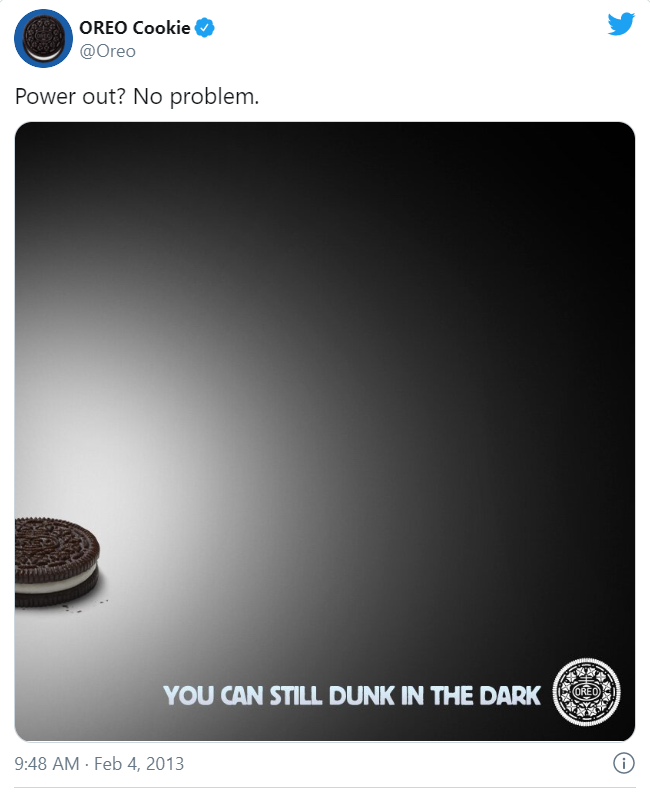
2. Oreo’s “Dunk in the Dark” Tweet
During the 2013 Super Bowl blackout, Oreo quickly capitalized on the unexpected event by tweeting, “You can still dunk in the dark.” This timely and witty response garnered massive attention and praise, showcasing the brand’s ability to seize an unforeseen opportunity with creativity.
Why It Worked:
- Timeliness: The immediate response demonstrated the brand’s agility and relevance.
- Humor and Creativity: The clever play on words resonated with the audience, making the tweet memorable.
- Viral Potential: The unexpected nature of the blackout combined with the creative response led to widespread sharing and positive brand perception.
3. Airbnb’s Unexpected Super Bowl Commercial Success
Airbnb’s Super Bowl commercial, titled “Wall and Chain,” drew inspiration from an unexpected real-life connection to Nelson Mandela’s autobiography, “Long Walk to Freedom.” The serendipitous discovery of the quote led to a deeply emotional and impactful campaign that resonated with viewers and strengthened Airbnb’s brand image.
Why It Worked:
- Emotional Depth: The happy accident of discovering the quote added significant emotional weight to the campaign.
- Storytelling: The unexpected connection enhanced the storytelling aspect, making the commercial more engaging.
- Brand Alignment: The serendipitous element aligned perfectly with Airbnb’s values of community and connection.
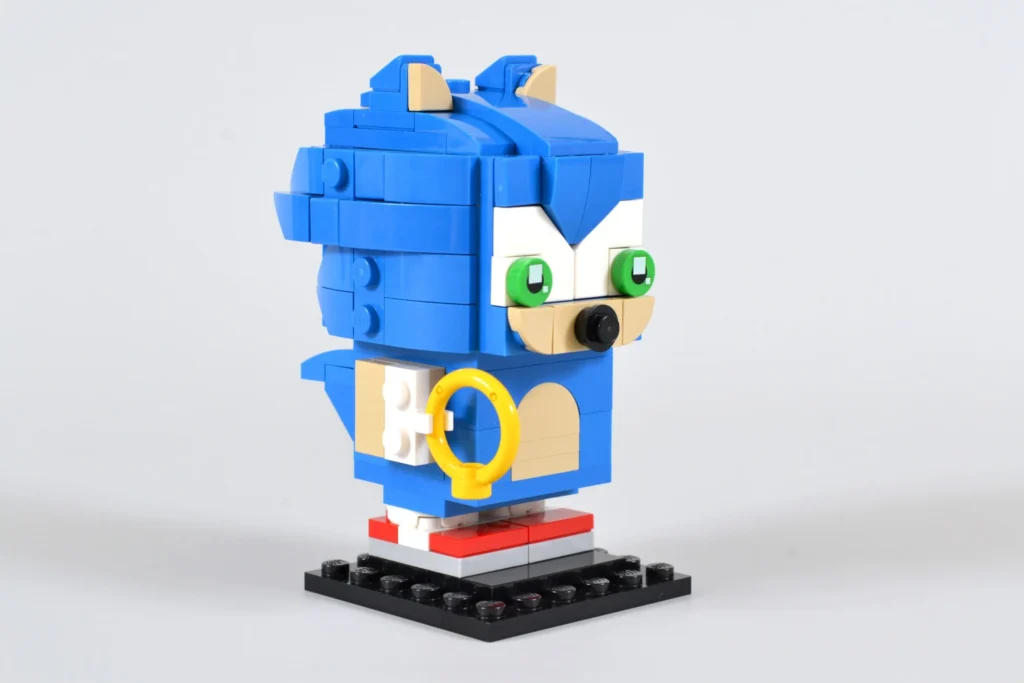
4. Lego’s Mistake-turned-Success
A mistake in Lego’s advertising materials led to the creation of the popular “BrickHeadz” series. What was initially an error in character proportions was reimagined as a new product line, turning a potential setback into a successful addition to Lego’s offerings.
Why It Worked:
- Innovation from Mistakes: The happy accident of the misproportioned characters sparked creativity and product innovation.
- Market Response: Consumers embraced the new series, validating the unexpected direction.
- Agility: Lego’s ability to pivot and capitalize on the mistake showcased their resilience and innovative spirit.
How to Foster an Environment for Happy Accidents
Creating an environment where happy accidents can thrive involves fostering a culture that embraces spontaneity, encourages experimentation, and remains open to unexpected opportunities.
Strategies:
- Encourage Experimentation: Allow team members to try new ideas without fear of failure, promoting a culture of creativity and innovation.
- Promote Collaboration: Facilitate cross-functional collaboration to bring diverse perspectives together, increasing the chances of serendipitous connections.
- Provide Flexibility: Allow for flexible workflows and adaptable strategies that can incorporate unexpected elements seamlessly.
- Celebrate Mistakes: View mistakes as learning opportunities and celebrate them when they lead to positive outcomes, reinforcing a growth mindset.
- Stay Open-Minded: Encourage an open-minded approach where unconventional ideas are welcomed and explored.
By implementing these strategies, organizations can create a conducive environment for happy accidents, leveraging them to enhance their creative campaigns.
Managing and Leveraging Happy Accidents
While happy accidents can lead to significant opportunities, effectively managing and leveraging these unexpected moments requires intentional strategies.
Steps to Manage Happy Accidents:
- Stay Prepared: Have a flexible plan that can accommodate unexpected changes or opportunities.
- Capture the Moment: Quickly document and assess the happy accident to understand its potential impact.
- Evaluate Its Fit: Determine how the unexpected event aligns with your campaign goals and brand identity.
- Integrate Strategically: Seamlessly incorporate the happy accident into your campaign, ensuring it enhances rather than disrupts the overall strategy.
- Amplify the Success: Use various channels to highlight the unexpected element, maximizing its reach and impact.
By proactively managing happy accidents, marketers can turn unforeseen events into strategic advantages, driving the success of their campaigns.
The Psychological Aspect: Embracing the Unexpected
Embracing happy accidents involves cultivating a mindset that values flexibility, openness, and resilience. This psychological approach is crucial for leveraging serendipitous moments effectively.
Key Psychological Traits:
- Openness to Experience: Being receptive to new ideas and experiences increases the likelihood of recognizing and utilizing happy accidents.
- Resilience: The ability to bounce back from setbacks and adapt to change allows leaders to harness unexpected opportunities.
- Curiosity: A curious mindset encourages exploration and the discovery of unconventional solutions.
- Adaptability: Flexibility in thinking and action enables quick adjustments to capitalize on happy accidents.
By nurturing these traits, individuals and teams can better embrace and benefit from the unexpected moments that arise during creative campaigns.
Tips for Incorporating Happy Accidents in Your Campaigns
To effectively incorporate happy accidents into your marketing efforts, consider the following tips:
- Embrace Flexibility: Allow room for improvisation and spontaneous ideas within your campaign plans.
- Encourage Creativity: Foster an environment where creative thinking is valued and encouraged, increasing the chances of serendipitous breakthroughs.
- Stay Present: Be attentive and engaged during the campaign’s execution to recognize and act on unexpected opportunities.
- Leverage Technology: Utilize tools and platforms that enable quick responses and adjustments, facilitating the integration of happy accidents.
- Document and Reflect: Keep track of unexpected events and analyze their impact, learning from each instance to enhance future campaigns.
- Build a Diverse Team: Assemble a team with varied backgrounds and perspectives, as diversity can increase the likelihood of happy accidents through unique idea intersections.
By implementing these strategies, marketers can create a dynamic and responsive approach that capitalizes on the unexpected, enhancing the creativity and effectiveness of their campaigns.
Conclusion: Embracing the Unexpected for Creative Success
Happy accidents play a pivotal role in shaping creative campaigns, offering opportunities for innovation, authenticity, and heightened engagement. By understanding the value of these serendipitous moments and implementing strategies to foster and manage them, marketers can transform unexpected events into powerful assets. Embracing the unexpected not only enhances the creativity and effectiveness of campaigns but also contributes to a dynamic and resilient brand image. As the marketing landscape continues to evolve, the ability to leverage happy accidents will remain a key differentiator for brands striving to stand out and connect meaningfully with their audiences.